Compare AI Study Summaries with a Simple Quality Rubric
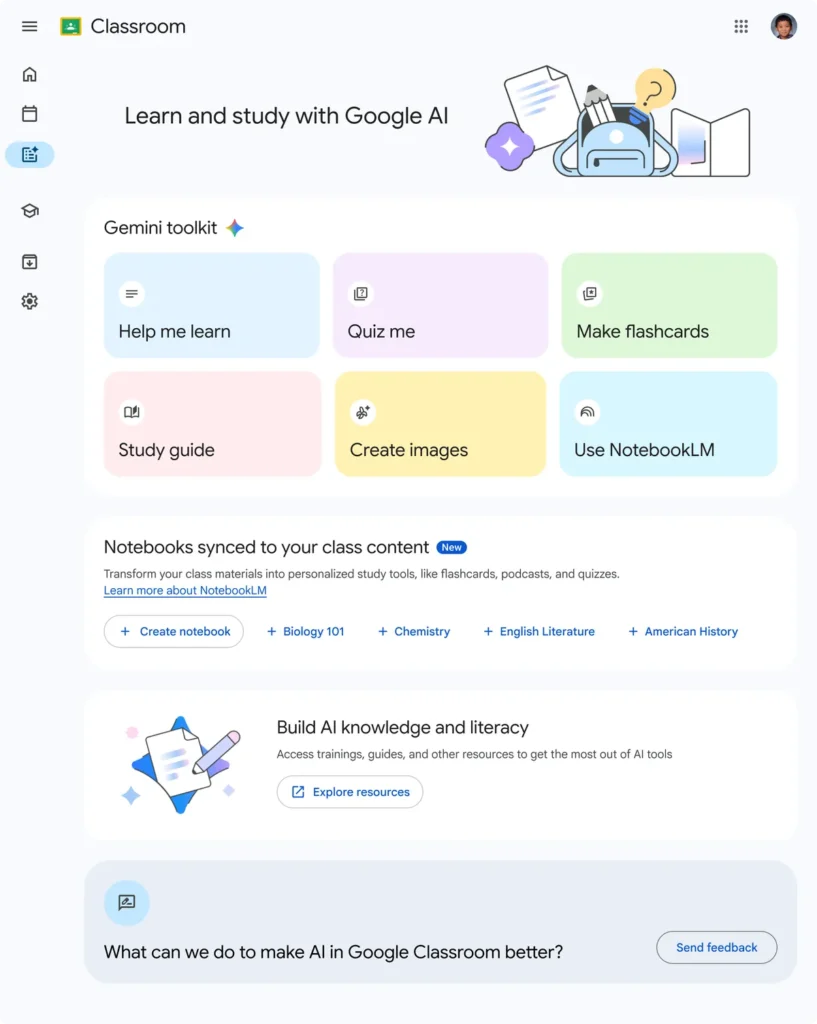
The longest summary is not necessarily the most useful. A small rubric makes it easier to compare outputs without confusing style with accuracy.
A practical sequence
- Choose a short source that you understand well and define the intended reader. List the concepts and caveats that a good summary must preserve.
- Generate comparable outputs using the same instruction and source. Score factual accuracy, coverage, source traceability and readability separately.
- Check omissions as well as mistakes. A response that leaves out an important exception may mislead even when every included sentence is true.
- Choose the output that needs the least meaningful correction, then revise it yourself. Keep the rubric for future tasks rather than declaring a universal winning model.
An example to adapt
Rubric: accuracy 0–2, key concepts 0–2, exceptions 0–2, traceable evidence 0–2, readability 0–2. Explain each score with an example.
Use the example with a small, permitted section of your own material. Keep the official syllabus and the original source open beside the output. The purpose is to make your thinking visible: what you understood, where you hesitated and which passage resolves the doubt. A useful session should leave you with a corrected note or a question for your teacher, not just a longer collection of generated text.
What to check before you finish
One small comparison is a local decision aid, not a benchmark. Product versions, account plans and subject matter can change the result.
Choose one question you could not answer at the beginning and attempt it again without looking. If you still cannot explain the idea, reduce the task and revisit the source. Do not use a generated summary as a substitute for required reading or submit generated work contrary to your course rules.