Summarise a Research Paper Without Inventing Its Findings
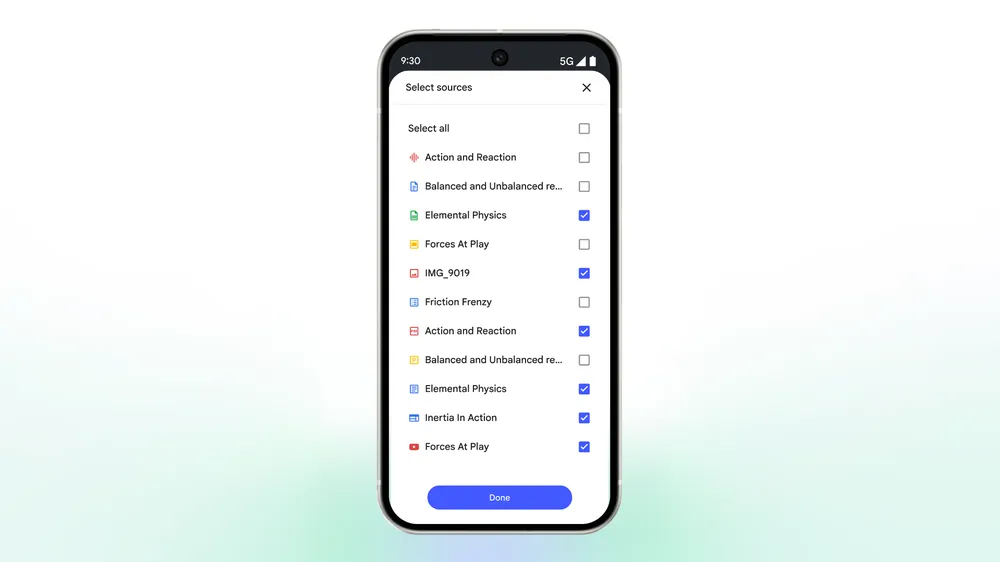
A paper summary should preserve what the authors studied and how limited the evidence is. A neat conclusion is not useful if it describes a different population or method.
A practical sequence
- Record title, date, research question, sample and method before asking for a summary. Work from the full paper when available rather than an abstract alone.
- Request separate sections for findings, limitations and open questions. Ask for passages supporting the central claims and check each against the paper.
- Distinguish association from causation and reported results from an explanation proposed by the authors. Keep uncertainty and negative results in the summary.
- Write your own short critique: what evidence would change the conclusion and what the study does not establish. Retain the original citation for your coursework.
An example to adapt
Summary structure: question / method / result / limitation / relevance to my assignment. If a field is absent from the paper, mark it not reported.
Use the example with a small, permitted section of your own material. Keep the official syllabus and the original source open beside the output. The purpose is to make your thinking visible: what you understood, where you hesitated and which passage resolves the doubt. A useful session should leave you with a corrected note or a question for your teacher, not just a longer collection of generated text.
What to check before you finish
AI assistance does not change your institution’s attribution rules. Do not present generated analysis as a reading you completed without checking the paper.
Choose one question you could not answer at the beginning and attempt it again without looking. If you still cannot explain the idea, reduce the task and revisit the source. Do not use a generated summary as a substitute for required reading or submit generated work contrary to your course rules.